Most of the 473 people with positive blood test results are expected to have the non-infectious form of TB infection, which is known as latent TB infection, CDA said.
Latent TB infection is not uncommon in Singaporeans, and the prevalence of latent TB increases with age. People with latent TB infection are not infectious and cannot spread TB infection to others. The TB bacteria remain inactive in about 90 per cent of healthy adults with latent TB infection, the CDA has said.
TB screening was conducted following the discovery of three clusters with a total of 13 cases, all genetically similar, which formed in Bedok Central
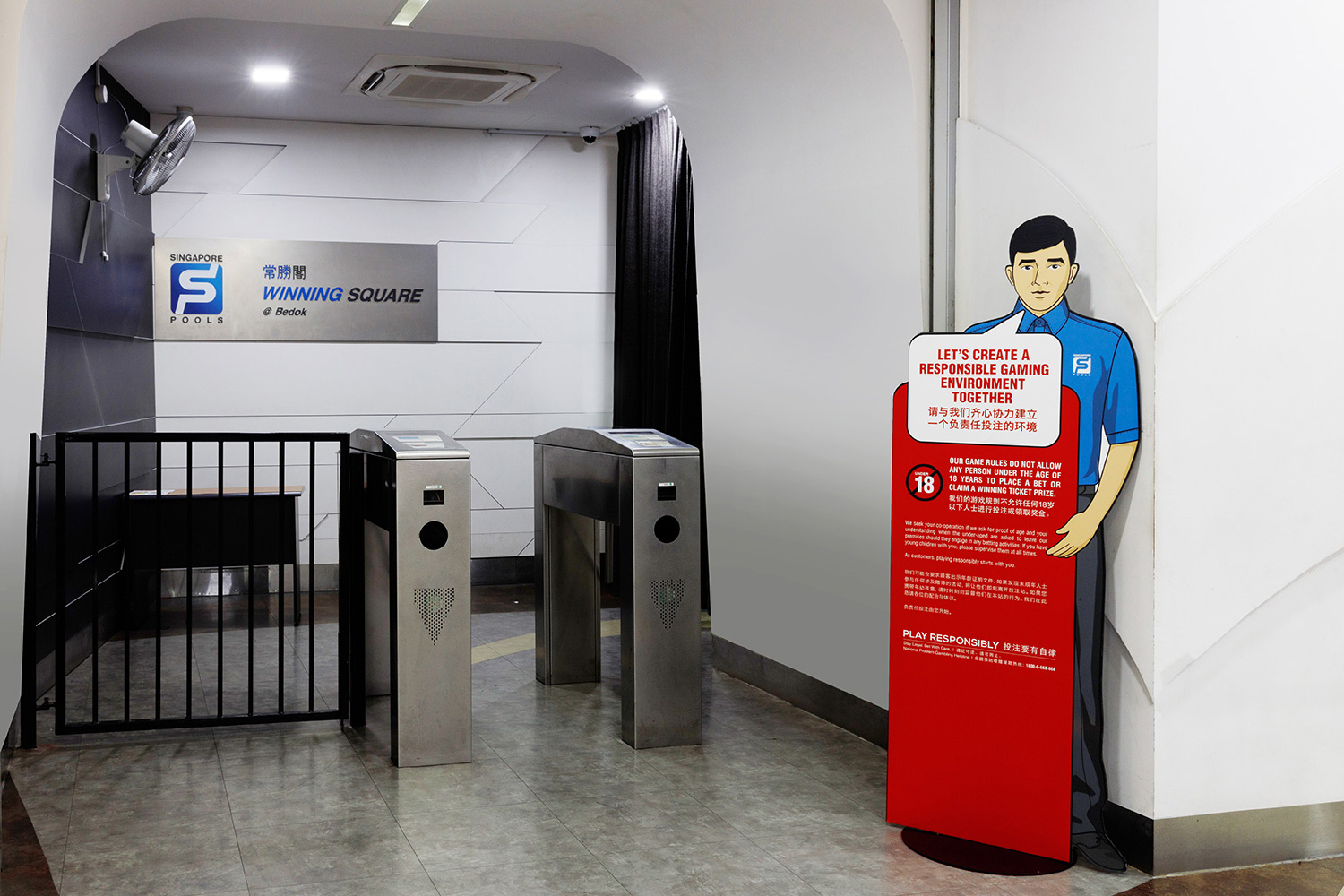
As some cases were likely infected through repeated visits or prolonged exposure at Heartbeat@Bedok, Block 216 Bedok Food Centre and Market, and the Singapore Pools Bedok Betting Centre at Block 215 Bedok North Street 1, tenants and employees at the three locations underwent mandatory screening from May 2 to 8.
Voluntary screening was also offered to people who had visited the locations for an extended period of time from 2023.
Of the 3,169 screened, 1,255 were in the mandatory group. As at May 12, there were still 41 individuals who had not undergone the mandatory screening or booked an appointment to be screened. CDA urged them to step forward for testing, which will be offered free of charge until June 5.
A normal chest X-ray result indicates latent TB infection, meaning the person does not exhibit symptoms and is not infectious, therefore not posing a public health risk.
In addition, a person with latent TB can receive preventive treatment of anti-TB antibiotics over four to six months to reduce his or her risk of developing active TB disease in the future.
In 2015, the latent TB prevalence among all Singapore residents was 12.7 per cent. It is about 2 per cent among those aged 18 to 29, and about 29 per cent among those aged 70 to 79.
Those with an abnormal chest X-ray result will be further evaluated at the National Tuberculosis Care Centre and treated promptly if they have active TB.
TB is caused by Mycobacterium tuberculosis. It usually affects the lungs but can also affect other parts of the body.
Symptoms of TB disease include a persistent cough lasting more than two weeks, low-grade fever, night sweats, fatigue, weight loss and chest pain, CDA said.
TB spreads when a person with an active TB infection coughs the bacteria into the air, which others then inhale through close, prolonged contact, CDA added. The agency reiterated that transmission of TB usually requires prolonged exposure over days or weeks of contact, rather than minutes or hours.









 Main Menu >
Gossip Corner >
Bedok Screenings 473 persons tested positive for TB
Main Menu >
Gossip Corner >
Bedok Screenings 473 persons tested positive for TB













 [ 173 Chatters Online
]
[ 173 Chatters Online
] 1
1

 Find all Topics Started by LONGSTER
 Find all Posts by LONGSTER
 Follow / Unfollow
 PM LONGSTER
 13-May 2026 Wednesday
3:48 PM (5 days ago)
13-May 2026 Wednesday
3:48 PM (5 days ago)
 0 Likes





 Like
Like
















 quote originally posted by seelangui:


